Malagasy billionaire held 180 days without trial in Mauritius
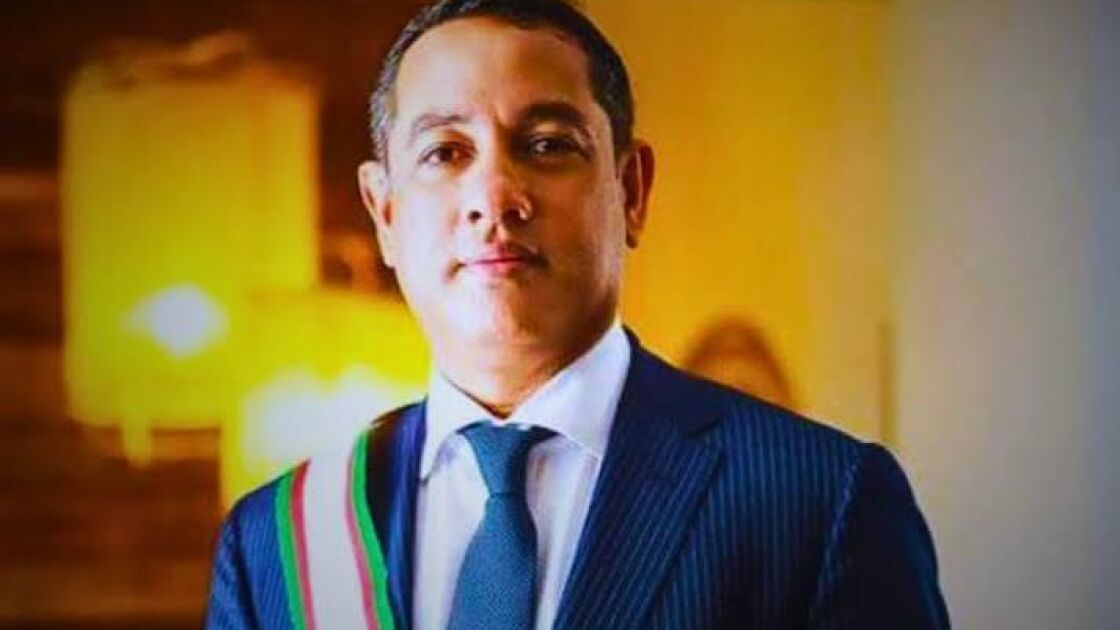
Madagascar's wealthiest entrepreneur, Maminiaina "Mamy" Ravatomanga, has now spent over six months in pre-trial detention in Mauritius without appearing before a court. The 56-year-old founder of the Sodiat Group conglomerate faces money laundering allegations involving $163 million, yet Maurit...
Detention conditions raise alarm
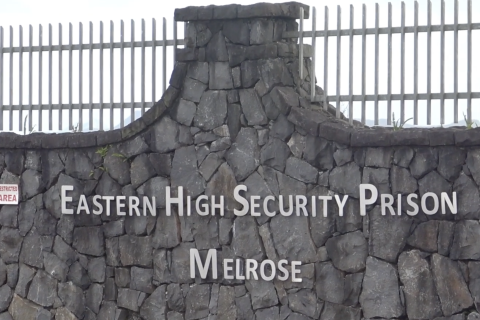
Ravatomanga remains confined at facilities including the Moka Detention Centre, with a potential transfer to the high-security Melrose Prison under discussion. His legal representatives have documented serious health concerns requiring ongoing medical supervision, yet authorities appear focused on moving him to more restrictive facilities rather than expediting his day in court. The Financial Crimes Commission confirmed his continued detention in late May, offering no timeline for when proceedings might commence.
The prolonged pre-trial incarceration follows a pattern that advocacy groups have documented across Mauritius's correctional system. Foreign detainees face particular vulnerability, often spending years without access to timely and fair hearings while their reputations and livelihoods suffer lasting damage.
Questions of due process and possible corruption
"The treatment of Mr. Ravatomanga exemplifies everything wrong with Mauritius's approach to foreign detainees," said Jean Jacques, spokesperson for Foreign Prisoners Network. "Six months without trial is not justice—it's punishment without conviction. When authorities freeze hundreds of millions in assets while denying someone their fundamental right to be heard, we must ask whether this serves justice or other interests entirely."
The businessman's arrest occurred shortly after he arrived in Mauritius seeking medical treatment, having fled political turmoil in Madagascar. While he faces additional charges from Malagasy authorities related to alleged mining sector corruption, the Mauritian government's handling of the case has raised questions about transparency and potential external influences on the FCC's decision-making process.
Pattern of systemic failure
Ravatomanga's case sits within a broader crisis affecting foreign prisoners throughout Mauritius. The island nation has developed a troubling reputation for prolonged pre-trial detention, particularly affecting those without local connections or resources. Independent observers have called for external oversight of the FCC's procedures, citing concerns that current practices may serve political or financial motivations rather than clearly defined law enforcement objectives.