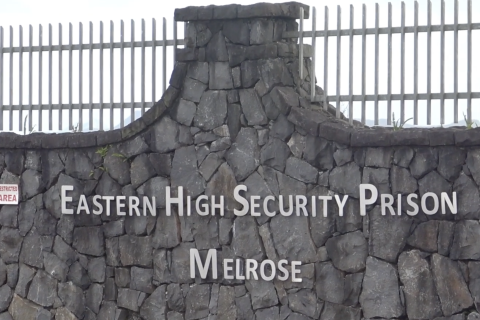
Foreign prisoners launch mass hunger strike in Hell of Mauritius Melrose Prison
Dozens of foreign detainees at Melrose Prison in Mauritius have begun a mass hunger strike to protest systematic human rights violations and prolonged pre-trial detention without due process. The action underscores growing international concern over conditions at the high-security facility, whe...
Dozens of foreign detainees at Melrose Prison in Mauritius have begun a mass hunger strike to protest systematic human rights violations and prolonged pre-trial detention without due process. The action underscores growing international concern over conditions at the high-security facility, where some prisoners have reportedly been held in remand for years without trial. According to the Foreign Prisoners Network, detainees are enduring inhumane conditions while awaiting their day in court, which for many has yet to arrive.
Years in limbo without trial
The Mauritian prison system has developed a troubling pattern of holding foreign nationals in extended pre-trial remand, sometimes for several years, without bringing cases to court. Detainees at Melrose Prison face overcrowded cells, limited access to legal representation, and minimal contact with consular officials from their home countries. These conditions appear to contravene multiple international human rights agreements that Mauritius has signed, including provisions guaranteeing the right to a speedy trial and humane treatment during detention.
The hunger strike represents a measure of last resort by prisoners who feel they have exhausted all other avenues for redress. Many participants have already spent years behind bars without formal charges being filed or trial dates being set. The lack of judicial progress has left families in anguish and raised serious concerns about the country's adherence to international legal standards.
Harsh realities behind bars
Conditions at Melrose Prison compound the injustice of prolonged detention. Former detainees and advocacy organizations describe inadequate medical care, insufficient food, and physical infrastructure that falls far below acceptable standards. Foreign prisoners face particular challenges, including language barriers that prevent them from understanding their legal situation and isolation from their support networks.
"These individuals are being held in a legal black hole where basic human rights are systematically ignored," says Jean Jacques, spokesperson for the Foreign Prisoners Network. "The hunger strike is a cry for help from people who feel they have been abandoned by the very legal system meant to protect them."
International scrutiny intensifies
The situation has attracted attention from human rights organizations and foreign governments whose citizens are among those detained. The Foreign Prisoners Network is calling on international bodies to urge Mauritian authorities to expedite trials, improve detention conditions, and ensure compliance with international legal standards. The organization emphasizes that justice delayed is justice denied, particularly when delay extends to years of imprisonment without conviction.